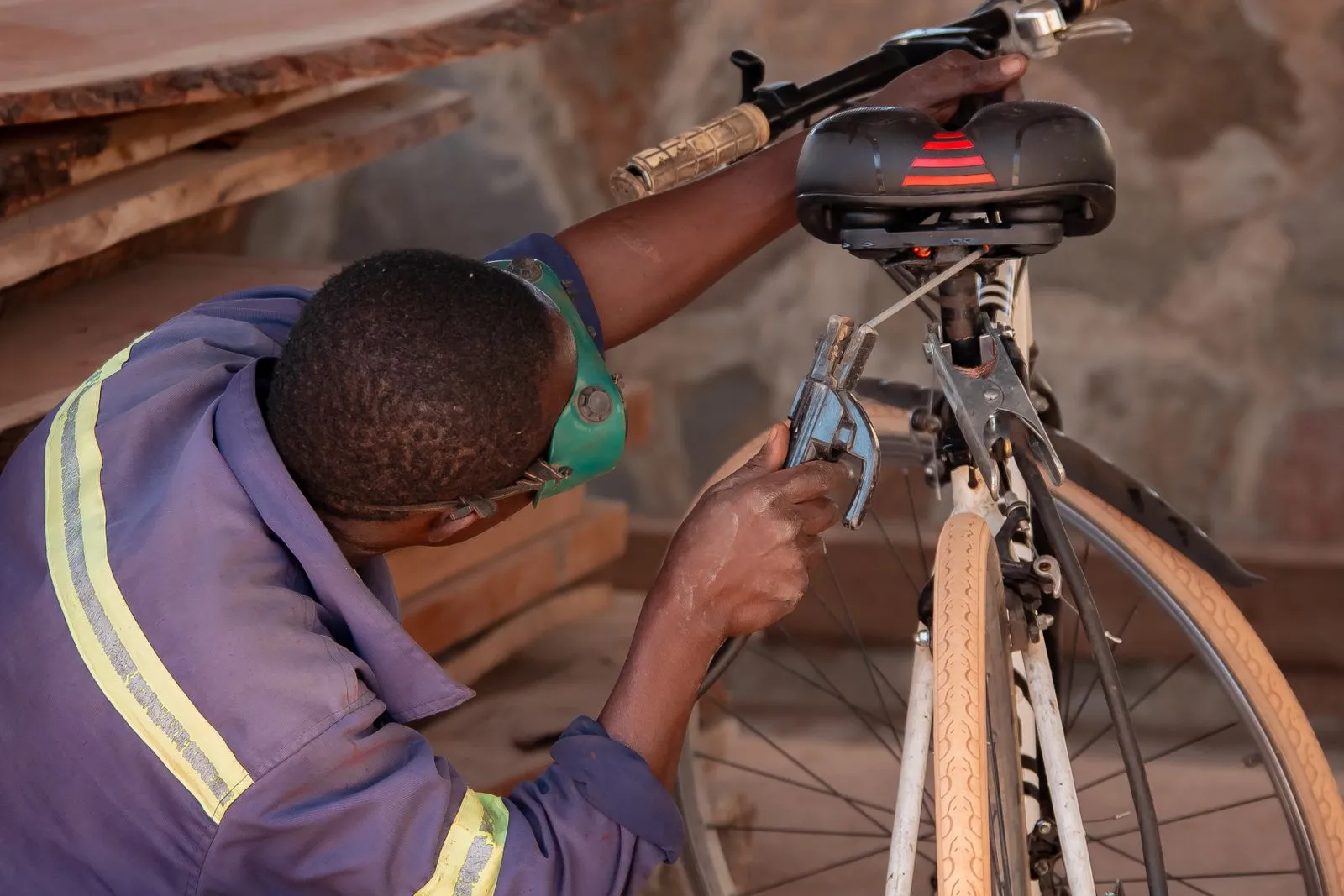
eBike Service & Repair
eBike Repair
Shops Near You
Work out what is actually wrong, what it should cost, and which local shop can fix it — across 7,984 eBike shops in 3,134 US cities.
Diagnose it first
What's wrong with your eBike?
Half of the bikes that come into a shop need a five-minute fix. Find your symptom below to see the usual cause, whether it is worth trying yourself, and what a shop should charge if it is not.
eBike won't turn on
Usually a battery that has not fully seated, a tripped BMS after a deep discharge, or a loose main power connector — not a dead motor.
Check first
Re-seat the battery until it clicks, charge it for two hours, and check that the display cable is fully home.
$50–$120 if it needs a bench diagnostic
Range dropped noticeably
Most packs lose meaningful capacity after 500–1,000 charge cycles. Cold weather, low tire pressure, and higher assist levels all shorten range too.
Check first
Compare summer and winter rides before assuming the pack is done — 20–30% loss below freezing is normal and comes back.
$40–$90 capacity test · $400–$900 replacement pack
Motor cuts out while riding
A brake cut-off switch stuck closed, a speed sensor whose spoke magnet has drifted out of alignment, or a chafed motor cable.
Check first
Look at the gap between the spoke magnet and the sensor on the chainstay — it should be about 2–3 mm.
$75–$200 depending on the part
Error code on the display
Codes are brand-specific. Bosch, Bafang, Shimano, and Brose all use different tables — the same number means different things on different bikes.
Check first
Look the code up in your manual first, then power-cycle and re-seat every connector you can reach before booking anything.
$50–$120 diagnostic, often waived if you approve the repair
Brakes squealing or feeling weak
eBikes are heavy and fast, so pads wear two to three times quicker than on an analog bike. Squealing usually means contaminated or glazed pads.
Check first
Weak braking with plenty of pad left points at air in a hydraulic line — that is a bleed, not a pad job.
$35–$80 pads · $50–$95 hydraulic bleed
Flat tire
Straightforward on a non-motor wheel. A rear hub-motor wheel means disconnecting the motor cable and resetting torque arms, which is where most home repairs go wrong.
Check first
Heavier bikes need more pressure. Running near the low end of the sidewall range is the most common cause of repeat pinch flats.
$30–$65 at a shop
Chain skipping or grinding
Mid-drive motors put motor torque straight through the chain, so chains stretch far faster than on an analog bike. A worn chain then chews the cassette.
Check first
A $10 chain-wear gauge tells you in seconds. Replacing a chain at 0.5% wear saves the cassette; waiting until 1% does not.
$30–$70 adjustment · $90–$180 chain and cassette
Battery will not charge
The charger fails more often than the pack does, and it is the cheaper part. Cracked charge-port solder joints are the next most common cause.
Check first
Borrow a known-good charger of the same voltage before you price a new battery.
$60–$130 new charger · $30–$90 port repair
Battery symptom? Diagnose it in more detail — charging faults, capacity loss, and what a replacement pack actually costs.
Flat tire? Tire repair, costs, and kit contents — including the rear hub-motor wheel warning. Motor fault? Hub and mid-drive triage. Can't get it in? Mobile mechanics come to you.
Not sure which motor system you have? Hub motors and mid-drives fail in different ways and cost different amounts to service.
Batteries
The one repair you should never DIY
A damaged or defective lithium-ion cell can enter thermal runaway — a self-sustaining reaction that spreads cell to cell and can reignite hours after the fire looks out. Fire crews do put these out with water, but it works by cooling the pack rather than smothering it, and it takes far more than a household extinguisher holds — on the order of a few hundred litres for a typical eBike pack. Shorting a cell during disassembly is one of the few reliable ways to start that reaction on purpose. Opening the case also voids both the battery warranty and, in most policies, your home insurance cover for the damage that follows.
Worth keeping in proportion: the CPSC recorded 227 micromobility battery incidents nationally across the five years from 2019 to 2023, against a US fleet in the millions. The fires concentrate in an identifiable and largely avoidable population — uncertified aftermarket packs, mismatched chargers, physically damaged cells, and packs opened or rebuilt by amateurs. New York City, which has both the densest housing and the largest delivery fleet in the country, saw battery-fire deaths fall from 18 in 2023 to 6 in 2024, a 67% drop the FDNY credits to inspections, enforcement and safety outreach.
- Stop charging immediately if a pack is swollen, dented, hot to the touch, or smells sharp and chemical.
- Use the charger that came with the bike. Voltage-mismatched generic chargers are a leading cause of pack failure.
- Buy replacement packs certified to UL 2271 (battery) or UL 2849 (whole bike) — New York City requires it and other jurisdictions have followed.
- Charge on a hard surface, away from exits, and not overnight while you are asleep.
- Never bin a damaged pack or leave it in a closed car — take it to a shop or a hazardous-waste drop-off.
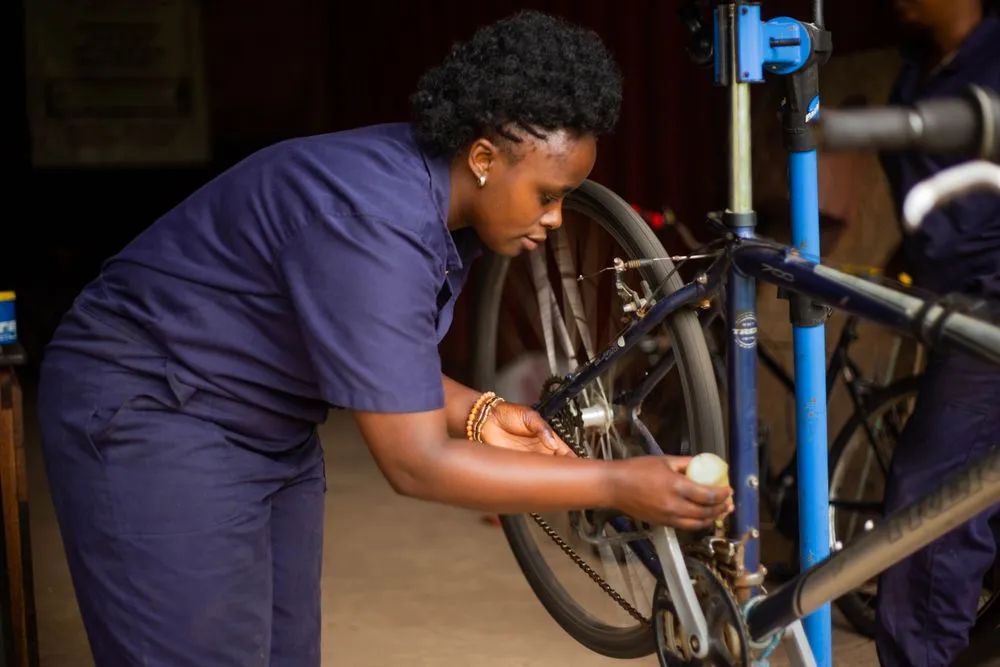
2026 pricing
What eBike repairs actually cost
Typical US independent-shop rates. Dealers in major metros sit at the top of each range; rural shops and mobile mechanics often come in below it.
Basic tune-up
DIY: Partly$75 – $150
Gear and brake adjustment, bolt torque check, drivetrain clean, safety inspection
Full/annual service
DIY: No$150 – $350
Tune-up plus bearing service, cable replacement, firmware update, wheel true
Flat or tube replacement
DIY: Yes$30 – $65
Tube, labor, and re-seating a hub-motor wheel if it is the driven one
Brake pad replacement
DIY: Yes$35 – $80
Pads plus alignment; per wheel, parts included
Hydraulic brake bleed
DIY: No$50 – $95
Fresh fluid, air purged, lever feel restored — per brake
Chain and cassette
DIY: Partly$90 – $180
New chain, cassette, and derailleur re-index
Motor or battery diagnostic
DIY: No$100 – $300+
Error-code read, capacity test, sensor and controller checks
Replacement battery
DIY: No$400 – $900
OEM pack, keyed to your frame and controller
Diagnostic fees are frequently credited against the repair if you approve the work — always ask before you leave the bike.
The directory
Find a repair shop in your state
Nearly every shop in the directory has a workshop — service is how bike shops make their margin. Pick your state to see local shops with ratings, hours, phone numbers, and the brands each one carries.
Service specialists
Highly rated repair shops
Shops built around service rather than sales, one per state, ranked by customer rating.
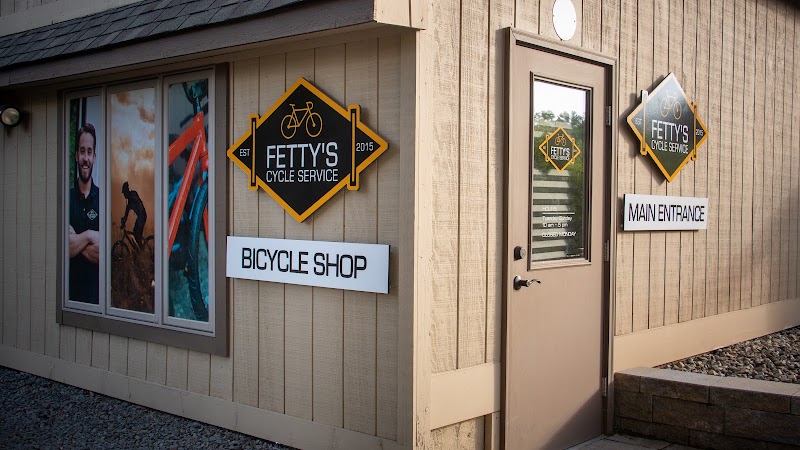 5.0 (110)
 Fetty's Cycle Service
Pocono Pines, PA
View shop details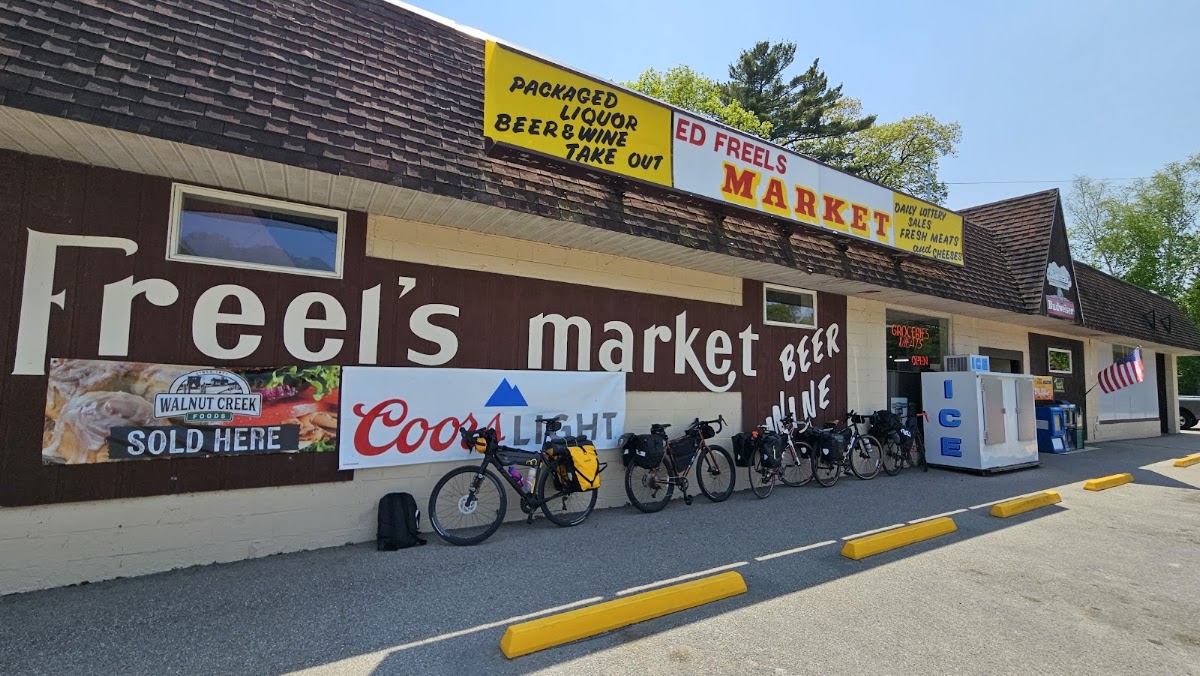 5.0 (100)
 Theo's mobile bicycle service
East Tawas, MI
View shop details 5.0 (57)
 406 Service Course Bike Clinic
Bozeman, MT
View shop details 5.0 (54)
 Tune MTB Service & Suspension
Rochester, NY
View shop details 5.0 (48)
 Lakeside Cyclery Sales & Services
Clear Lake, IA
View shop details 5.0 (35)
 South Tacoma Mobile Bike Repair
Tacoma, WA
View shop details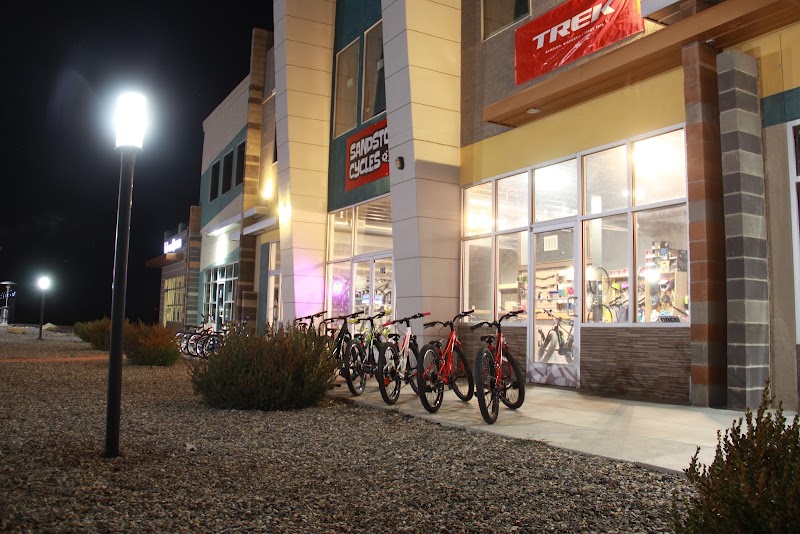 4.9 (113)
 Sandstone Cycles Bicycle Sales & Service
Farmington, NM
View shop details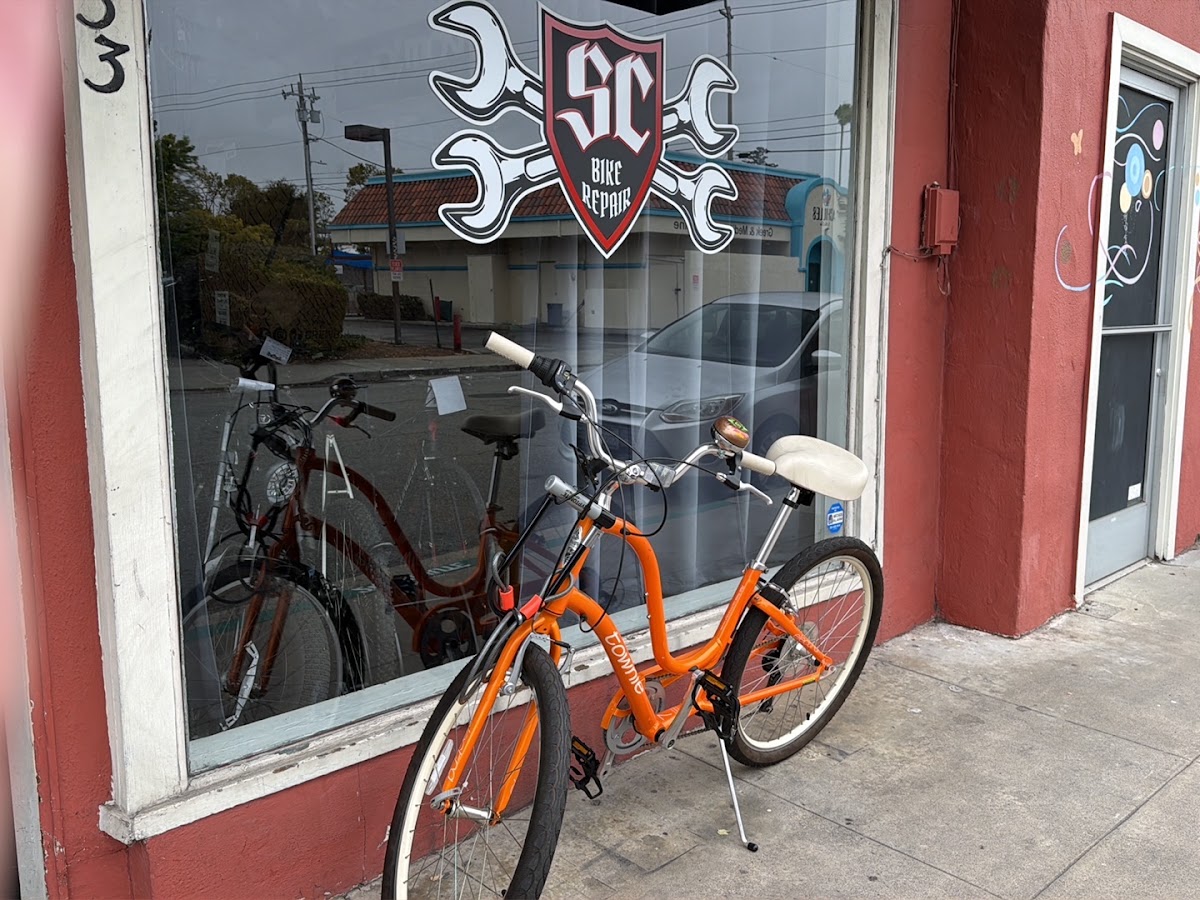 4.9 (93)
 Santa Cruz Bike Repair
Santa Cruz, CA
View shop details 4.9 (49)
 Smokey's Mobile Bicycle repair
Knoxville, TN
View shop detailsThey come to you
Mobile eBike repair
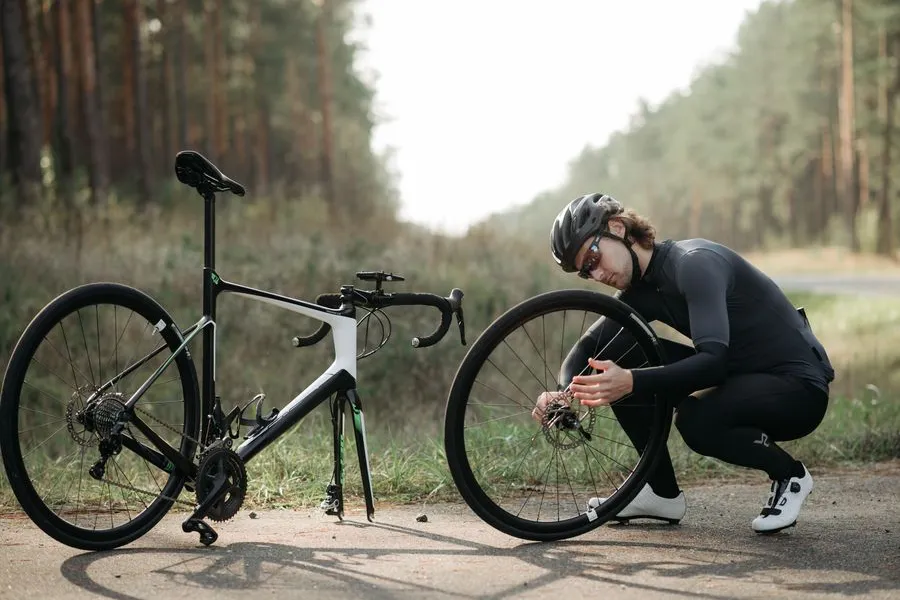
An eBike weighs 50–80 lb and will not fit on most car racks, which makes getting it to a shop the hardest part of the repair. Mobile mechanics service the bike at your home or office instead.
They handle tune-ups, brakes, flats, and drivetrain work on site. Deep electrical diagnostics, firmware updates, and warranty claims still generally need a workshop — ask before booking.
Mobile mechanics in the directory
- 5.0
Swift Fix Mobile Bike Shop
Pleasant View, UT
- 5.0
Theo's mobile bicycle service
East Tawas, MI
- 5.0
Leo's Mobile Bicycle Service
Valparaiso, IN
- 5.0
Mr Ed's Mobile Bike Repair
Quakertown, PA
- 5.0
Mobile Bike Works Santa Fe
Santa Fe, NM
- 5.0
South Tacoma Mobile Bike Repair
Tacoma, WA
- 4.9
Domestique Mobile Bike Shop
Broomfield, CO
- 4.9
Smokey's Mobile Bicycle repair
Knoxville, TN
Six questions to ask before you book
A five-minute phone call saves a wasted trip with a heavy bike in the back of the car.
- 1 Do you service my brand, or only the ones you sell?
- 2 Can you read error codes from a Bosch, Bafang, Shimano, or Brose system?
- 3 What is the current turnaround time on a diagnostic?
- 4 Do you stock replacement batteries and chargers for my model, or order them in?
- 5 Can you handle warranty claims directly with the manufacturer?
- 6 Is the diagnostic fee credited against the repair if I approve the work?
Under warranty? Go to an authorized dealer
Motor, battery, and frame claims usually have to be filed by a dealer the brand recognises. An independent shop can do the work, but you may forfeit the claim. We track which shops carry which brand — pick yours to see its dealer network.









Common questions
eBike repair FAQ
How much does eBike repair cost?
A basic tune-up runs $75–$150 and a full annual service $150–$350. Individual jobs are cheaper: flat repairs $30–$65, brake pads $35–$80 per wheel, a hydraulic bleed $50–$95. Motor and battery diagnostics are the expensive end at $100–$300+, and a replacement OEM battery is typically $400–$900.
Can any bike shop repair an eBike?
Any competent bike shop can handle the mechanical side — brakes, tires, drivetrain, wheels. Electrical work is different: reading error codes and running firmware updates on Bosch, Shimano, Brose, or Bafang systems needs brand-specific diagnostic tools and, for warranty work, authorized dealer status. Call ahead and ask whether they service your specific motor system.
Is it worth repairing an eBike or should I replace it?
Compare the repair quote against the bike's replacement cost. Mechanical work — brakes, chains, tires, bearings — is almost always worth doing. A failed controller or motor on a bike worth under $1,000 often is not, and a battery replacement at $400–$900 on a five-year-old budget eBike rarely pays off. Ask the shop for a written estimate before approving any work over $200.
Can I repair an eBike battery myself?
No. Opening a lithium-ion pack risks shorting cells, which can lead to thermal runaway and fire, and it voids both the battery warranty and, in most cases, your home insurance cover for the resulting damage. Charger faults, charge-port repairs, and capacity testing are all fine to have a shop handle — pack rebuilds should go to a specialist with proper cell-balancing equipment or be replaced outright.
How long does an eBike repair take?
A tune-up or flat repair is usually same-day to two days. Brake and drivetrain work is typically two to five days depending on the shop's queue. Anything waiting on a brand-specific part — a controller, display, or battery — commonly runs one to three weeks, and longer in spring when every shop is backed up.
Are there mobile eBike repair services that come to me?
Yes. Mobile mechanics service your bike at home or at your office and are especially useful for eBikes, which are heavy and awkward to transport. They handle most mechanical work on site; deeper electrical diagnostics and warranty claims still usually need a workshop. Our directory lists mobile operators alongside storefront shops.
How often should an eBike be serviced?
Most manufacturers recommend a service every 500–1,000 miles or once a year, whichever comes first. eBikes need it more than analog bikes because the extra weight and speed wear brake pads, chains, and tires considerably faster. Check tire pressure weekly and chain wear monthly between services.
Where can I find an eBike repair shop near me?
Use the eBikeLocal directory to search 7,984 eBike shops across 3,134 US cities. Search by city or ZIP code, or use the location button on this page to jump straight to the shops closest to you.
Keep reading
Related guides
What to Look for in an eBike Shop
How to judge a dealer on service quality, parts availability, and warranty support before you hand over your bike.
Read guide EducationHub Motor vs Mid-Drive
Which motor type you own changes what wears out, how often, and what it costs to fix.
Read guide LawseBike Laws by State
Class rules, helmet requirements, and the battery-certification rules now in force in several states.
Read guide Beginner GuideeBike Classes Explained
Class 1, 2, and 3 — and why a shop will ask which one you have before quoting a repair.
Read guide
Get your eBike back on the road
7,984 shops across 51 states, with ratings, hours, and phone numbers. Free, and no account required.